

Understanding Why Concrete Settles Over Time
If you've noticed your driveway, sidewalk, or patio slowly sinking or becoming uneven, you're not alone. Concrete settlement is one of the most common issues homeowners face across Alabama, and understanding why it happens is the first step toward fixing it permanently.
In this comprehensive guide, we'll explore the five most common causes of sinking concrete and explain how modern concrete lifting technology can restore your surfaces to their original level—typically in just a few hours and at a fraction of the cost of replacement.
1. Soil Erosion and Washout
The number one culprit behind sinking concrete is soil erosion beneath the slab. When water flows under your concrete through cracks, joints, or poor drainage, it gradually washes away the supporting soil. This creates voids or hollow spaces that cause the concrete to settle into the empty space.
Common Triggers:
- Heavy rainfall washing away soil
- Poor gutter drainage directing water toward concrete
- Broken downspouts or underground drainage pipes
- Natural groundwater movement
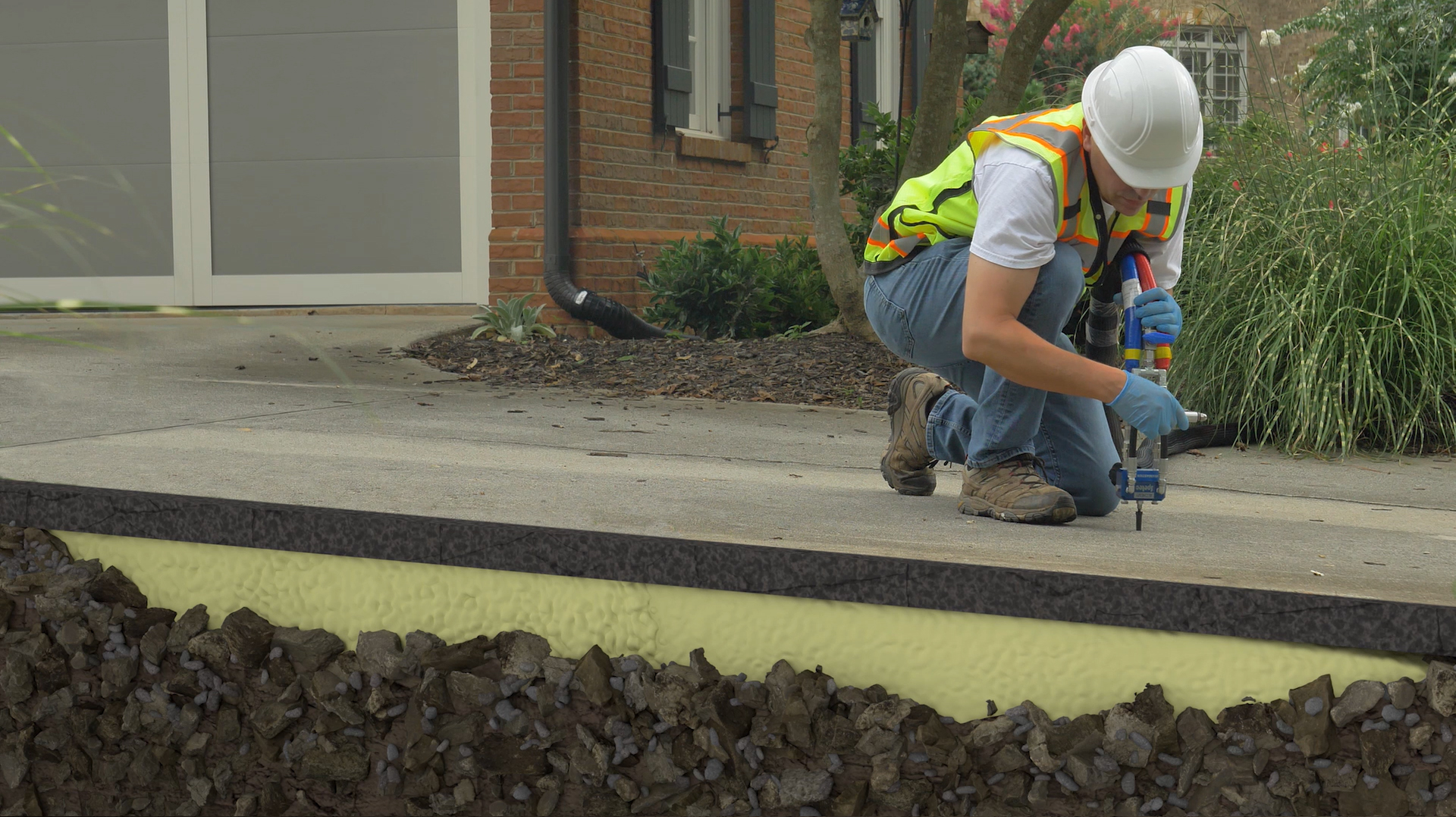
The Solution: Polyurethane foam injection fills these voids completely while simultaneously lifting the concrete back to its original height. The waterproof foam also prevents future erosion by sealing out water.
2. Poorly Compacted Fill Soil
During construction, contractors often use fill soil to level the ground before pouring concrete. If this soil isn't properly compacted, it will naturally compress over time under the weight of the concrete slab—causing gradual settlement.
This is especially common around:
- New home construction sites
- Areas where trenches were dug for utilities
- Driveways and walkways added after home construction
The Fix: Rather than tearing out and replacing the concrete (which can cost thousands), polyurethane foam lifting stabilizes the existing soil and lifts the slab back to level in about 2-3 hours.
3. Tree Root Interference
Tree roots are surprisingly powerful and can cause concrete problems in two ways:
- Roots growing underneath can push concrete upward, creating trip hazards
- Roots extracting moisture from soil can cause the ground to shrink, leaving voids under the concrete
If you have large trees within 15-20 feet of your concrete, they could be the hidden cause of your sinking slabs.
Professional Approach:
We assess root interference and can often lift the concrete without needing to remove established trees. The expanding foam conforms around roots while providing stable, long-term support.
4. Clay Soil Expansion and Contraction
Alabama's clay-rich soil expands dramatically when wet and shrinks when dry. This constant cycle of expansion and contraction creates movement beneath concrete slabs, eventually leading to:
- Uneven settling
- Cracking along joints
- Gaps forming between slabs
- Trip hazards on walkways
Why Traditional Methods Fail: Mudjacking (the older concrete lifting method) uses heavy slurry that adds significant weight to already unstable soil. Our polyurethane foam weighs just 2-4 pounds per cubic foot—about 100 times lighter than concrete—putting minimal stress on problem soils.
5. Plumbing Leaks Under Concrete
Hidden plumbing leaks beneath concrete slabs can wash away massive amounts of soil before you even realize there's a problem. Warning signs include:
- Unexplained increases in water bills
- Warm spots on floors
- Sound of running water when all fixtures are off
- Sudden concrete settlement over a short period
Important: If a plumbing leak is the cause, it must be repaired before lifting the concrete. We can coordinate with plumbers or recommend trusted professionals to ensure the underlying issue is resolved first.
The Modern Solution: Polyurethane Foam Injection
At Alabama Polylift, we use advanced polyurethane foam technology to lift and stabilize settled concrete. Here's why it's superior to traditional methods:
Key Benefits:
- Fast: Most projects completed in 2-4 hours
- Lightweight: Won't add stress to weak soils
- Waterproof: Prevents future erosion
- Precise: Lifts concrete to exact specifications
- Permanent: Won't break down or settle over time
- Cost-effective: Typically 50-70% less than replacement
When to Act: Warning Signs You Shouldn't Ignore
Don't wait until small problems become major safety hazards. Call a professional if you notice:
- Gaps of ½ inch or more between concrete slabs
- Water pooling on previously level surfaces
- Cracks widening over time
- Doors or windows sticking (foundation issues)
- Trip hazards on walkways or steps
Why Choose Alabama Polylift?
With decades of combined experience and hundreds of successful projects across all 67 Alabama counties, we've seen every type of concrete settlement issue. Our team provides:
- Free on-site evaluations with honest assessments
- Transparent pricing with no hidden fees
- Experienced technicians trained in the latest techniques
- Quality materials backed by industry-leading warranties
- Same-day service available in many areas
Get Your Free Concrete Assessment Today
Sinking concrete won't fix itself—and delaying repairs only allows the problem to worsen, potentially leading to costly structural damage. Whether you're dealing with a settling driveway, uneven patio, or hazardous walkway, our team can provide expert solutions that last.
Ready to level your concrete and protect your investment? Contact Alabama Polylift today for a free, no-obligation assessment. We'll identify the root cause of your concrete settlement and provide a clear, affordable solution.
Call us at (256) 257-4747 or request your free quote online. Serving all of Alabama with fast, professional concrete lifting services.